


What Should I Know About Retirement Planning in Houston?
Retirement planning is not one-size-fits-all.
Your strategy should reflect not only your age, income, and goals, but also the place you call home.
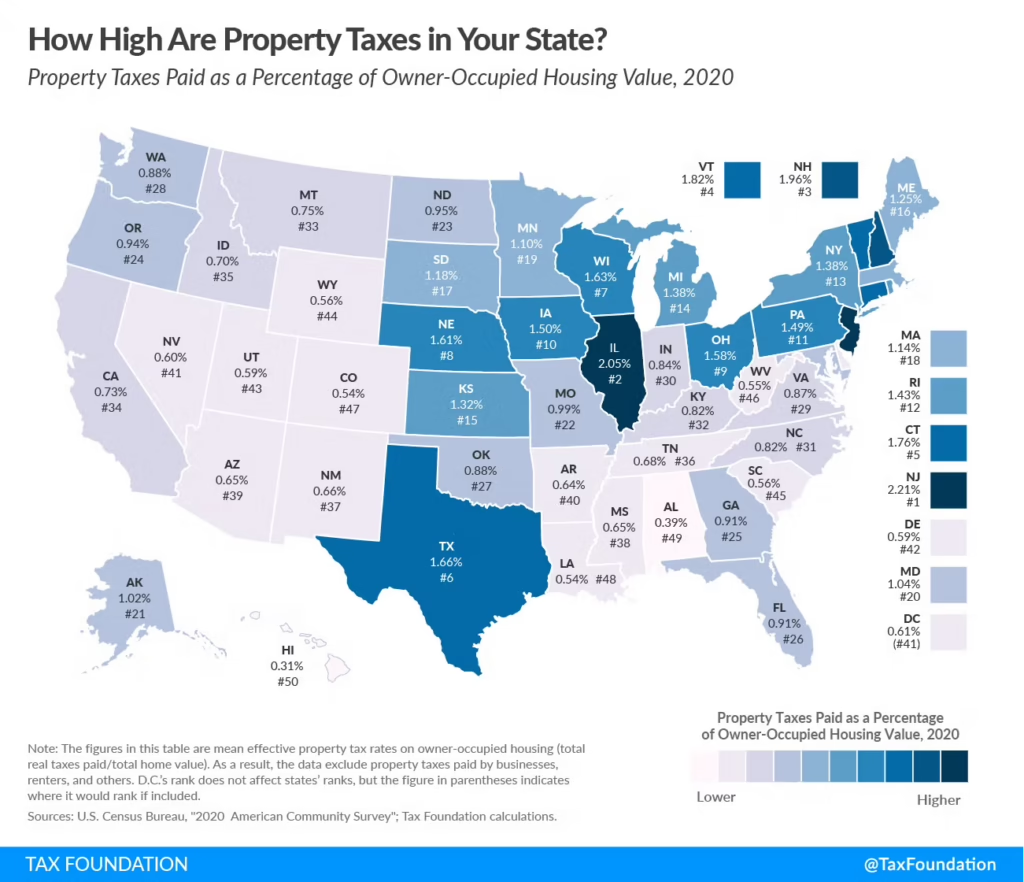
If you live in Houston, local factors can play a meaningful role in how you prepare for retirement. Texas offers no state income tax, but property taxes can be higher than in many other states.
Houston is also home to a large population of energy professionals, business owners, healthcare executives, and families with increasingly complex financial lives.
Add inflation, healthcare costs, and the possibility of a retirement lasting 25 to 30 years or more, and it becomes clear that retirement planning requires more than simply contributing to a 401(k).
A well-designed retirement plan should account for both universal financial principles and the realities of living in Houston.
Let’s discuss what retirement planning should include, when to begin, the unique challenges Houston residents face, and how working with a local fiduciary advisor can help you retire with greater confidence.
Table of Contents
- Why Is Retirement Planning Important in Houston?
- When Should I Start Retirement Planning?
- What Should a Retirement Plan Include?
- What Retirement Challenges Do Houston Residents Face?
- How Can I Turn My Savings Into Retirement Income?
- Why Work With a Houston Retirement Advisor?
- FAQs About Retirement Planning in Houston
Why Is Retirement Planning Important in Houston?
Retirement planning is about much more than building a nest egg.
It’s about creating a financial strategy that allows you to live comfortably, confidently, and independently throughout retirement.
For Houston residents, local financial conditions make thoughtful planning even more important.
One of the biggest advantages of retiring in Texas is that there is no state income tax, allowing many retirees to keep more of their retirement income.
However, that benefit should be weighed alongside other important considerations, including higher property taxes, rising healthcare costs, inflation, and the possibility of living several decades after leaving the workforce.
Houston’s diverse economy also creates unique planning opportunities.
Many residents receive stock compensation, deferred compensation plans, bonuses, or own privately held businesses. These can significantly increase wealth, but they also introduce additional tax and retirement planning complexities.
The better your retirement plan reflects both your financial goals and your local environment, the better positioned you’ll be to make informed decisions throughout retirement.
When Should I Start Retirement Planning?
The best time to begin retirement planning is today.
Whether retirement is decades away or only a few years out, every stage of life presents opportunities to strengthen your financial future.
In Your 30s
This is often the ideal time to establish strong financial habits. Focus on contributing consistently to employer-sponsored retirement plans, building long-term savings, and taking advantage of compound growth while time remains on your side.
In Your 40s
Peak earning years often bring competing priorities. Retirement savings, mortgage payments, college expenses, and career growth all compete for attention. This is an excellent time to increase retirement contributions, reduce unnecessary debt, and begin refining long-term financial goals.
In Your 50s
As retirement becomes more tangible, planning becomes more detailed. Catch-up contributions, tax-efficient savings strategies, healthcare planning, and retirement income projections become increasingly important.
In Your 60s and Beyond
Planning shifts from accumulating assets to creating sustainable retirement income. Decisions surrounding Social Security timing, withdrawal strategies, Required Minimum Distributions (RMDs), healthcare costs, and legacy planning all become critical.
No matter where you are today, thoughtful planning can improve your financial future.
What Should a Retirement Plan Include?
A comprehensive retirement plan extends far beyond investment management.
Your investments are simply one component of a much larger financial strategy, and an effective retirement plan should coordinate multiple areas of your financial life, including:
- Retirement income planning
- Investment management
- Social Security claiming strategies
- Tax-efficient withdrawal planning
- Estate planning
- Healthcare planning
- Risk management
- Cash flow planning
- Inflation protection
These areas are interconnected.
For example, the order in which you withdraw retirement assets can influence your tax bill, Medicare premiums, investment longevity, and the amount you ultimately leave to future generations.
Rather than viewing these decisions independently, a comprehensive retirement plan coordinates each one to support your broader financial goals.
What Retirement Challenges Do Houston Residents Face?
While retirement planning principles are universal, Houston residents often encounter financial situations that deserve additional attention.
Complex Compensation Packages
Houston’s large energy, healthcare, engineering, and executive workforce frequently receives compensation beyond a traditional salary.
Restricted stock units (RSUs), stock options, bonuses, deferred compensation plans, and executive benefit packages all require careful coordination to avoid unnecessary taxes while maximizing long-term retirement income.
Business Ownership
Many Houston residents own successful businesses.
Retirement planning for business owners often extends beyond investment accounts. It may include succession planning, business valuations, exit strategies, and preparing for a future liquidity event that becomes the primary source of retirement income.
Property Taxes
Although Texas does not impose a state income tax, property taxes remain one of the largest ongoing expenses for many retirees.
Incorporating these costs into long-term retirement cash flow projections helps create more realistic income expectations throughout retirement.
Healthcare Before Medicare
Many people retire before becoming eligible for Medicare.
Planning for healthcare coverage during this transition period can prevent unexpected expenses from disrupting your retirement income strategy.
Inflation and Longevity
Retirement today often lasts much longer than previous generations experienced.
A retirement spanning 25 to 30 years means your portfolio must continue supporting your lifestyle while keeping pace with inflation and evolving market conditions.
Building flexibility into your retirement strategy helps protect purchasing power throughout retirement.
How Can I Turn My Savings Into Retirement Income?
Transitioning from saving for retirement to living off your savings represents one of the most significant financial shifts you’ll ever make.
The objective changes from accumulation to creating reliable, sustainable income.
That requires careful coordination between investments, taxes, and withdrawals.
A successful retirement income strategy often includes:
- Creating tax-efficient withdrawal sequences
- Managing Required Minimum Distributions (RMDs)
- Coordinating Social Security with other income sources
- Balancing continued portfolio growth with income stability
- Preparing for periods of market volatility
- Adjusting withdrawal strategies as circumstances change
Rather than relying on rigid rules of thumb, many retirees benefit from a flexible income strategy that adapts alongside changing markets, tax laws, and personal goals.
At Concenture Wealth Management, our Dynamic A.G.E. Approach is designed to help clients connect retirement income, investment management, tax awareness, and long-term planning into one coordinated retirement strategy.
Why Work With a Houston Retirement Advisor?
Retirement planning isn’t simply about choosing investments.
It’s about coordinating dozens of financial decisions that affect one another over many years.
Working with a Houston-based retirement advisor offers the advantage of local knowledge combined with comprehensive financial planning experience.
A local advisor understands:
- The Texas tax environment
- Houston’s major employers and compensation structures
- Energy industry retirement considerations
- Business-owner succession planning
- Local cost-of-living considerations
- Retirement planning opportunities unique to Houston families
At Concenture Wealth Management, our planning process extends well beyond portfolio management.
We help clients coordinate retirement planning, investment management, tax-aware strategies, estate planning, cash flow planning, healthcare considerations, and legacy planning into one integrated financial strategy.
Our objective isn’t simply to help you grow your investments.
It’s to help you retire with clarity, confidence, and financial independence.
Frequently Asked Questions About Retirement Planning in Houston
Can I retire comfortably in Houston?
Retirement comfort depends less on a specific savings balance and more on your lifestyle, spending habits, healthcare needs, housing costs, travel goals, and retirement income strategy. Two retirees with identical portfolios can experience very different outcomes depending on how they manage their finances.
How much money do I need to retire in Houston?
There isn’t a universal retirement number.
The amount you’ll need depends on your desired lifestyle, expected expenses, retirement age, income sources, longevity, and inflation. Building a personalized retirement income plan provides a much more accurate answer than relying on generic retirement benchmarks.
When should I start retirement planning?
The earlier you begin, the more flexibility you’ll have and the more time your investments have to compound. However, it’s never too late to improve your retirement strategy. Even people approaching retirement can often strengthen their plans through better tax planning, investment coordination, and income strategies.
Does Texas offer tax advantages for retirees?
Yes. Texas does not have a state income tax, allowing many retirees to keep more of their retirement income.
However, federal taxes still apply, retirement account withdrawals may be taxable, and property taxes remain an important consideration. Coordinated tax planning can help improve long-term retirement outcomes.
Should I work with a retirement advisor or manage everything myself?
Many people successfully manage portions of their retirement independently.
However, retirement planning involves much more than selecting investments. A fiduciary advisor can help coordinate retirement income, taxes, Social Security decisions, estate planning, healthcare costs, and long-term investment management into one comprehensive strategy.
How often should I review my retirement plan?
Your retirement plan should generally be reviewed at least once each year. It’s also wise to revisit your strategy after major life events such as retirement, selling a business, receiving an inheritance, changes in tax law, significant market volatility, or major healthcare changes.
Regular reviews help ensure your plan continues to reflect your goals and current financial circumstances.
What happens during a retirement planning meeting?
Your first meeting typically focuses on understanding your current financial picture, retirement goals, income needs, concerns, and long-term priorities.
Rather than immediately discussing investments, the conversation centers on learning what you want retirement to look like. From there, a personalized retirement strategy can be developed around your specific objectives.
Start Building Your Retirement Strategy Today
Retirement planning isn’t about reaching a certain age or accumulating a specific dollar amount.
It’s about creating the financial confidence to live the life you’ve worked hard to build.
Whether retirement is just around the corner or still years away, having a personalized strategy can help you make informed decisions, adapt to life’s changes, and prepare for the future with greater confidence.
At Concenture Wealth Management, we help Houston individuals, families, executives, and business owners build retirement strategies that are tailored to their goals, adaptable to changing circumstances, and designed to support lasting financial independence.
If you’re ready to take the next step, schedule a conversation with our team and discover how personalized retirement planning can help you move confidently toward the future you’ve envisioned.